The 5 Tibetan Rites Guided Flow
An Energetic Practice for Vitality and Renewal
You don’t need fancy equipment, long workouts, or complicated routines to reconnect with your body and energy.
The Five Tibetan Rites are a short sequence of dynamic movements traditionally practiced to restore vitality, circulate life-force energy, and support balance throughout the body’s energetic system. Sometimes called the Five Rites of Rejuvenation or the Fountain of Youth, the sequence is often approached as more than physical exercise. It is practiced as a daily ritual for awakening energy, renewing the body, and bringing the physical, mental, and spiritual aspects of the person into greater harmony.
The complete practice contains five movements, or rites.
Each is repeated in a steady rhythm, traditionally building toward twenty-one repetitions. Together, the rites move the spine in several directions, engage the whole body, coordinate movement with breathing, and create a continuous energetic sequence.
Although the practice is commonly described as ancient and Tibetan, the form known in the West was introduced through Peter Kelder’s 1939 book The Eye of Revelation. Kelder presented the rites through the story of a retired British army officer who learned them from lamas in a remote monastery.
The historical origin of that story cannot be verified, but the energetic teaching carried through the book has remained central to how the rites are understood and practiced.
The energetic purpose of the rites
Within the teaching associated with the Five Tibetan Rites, the body contains spinning centers or vortexes of energy. These are often understood in relation to the chakras, although Kelder’s original description of the vortexes doesn’t correspond perfectly with the chakra system most yoga practitioners know today.
When these energetic centers move freely and harmoniously, life-force energy or prana is believed to circulate throughout the whole system. This circulation is associated with vitality, clarity, strength, and a greater sense of inner aliveness. When the movement of energy becomes slow, uneven, or obstructed, the person may experience diminished vitality or a feeling of disconnection between body, mind, and spirit.
The purpose of the rites is to awaken and harmonize this energetic movement. Their traditional use isn’t simply to stretch or strengthen the body, but to help the entire system become more receptive to the movement of life-force energy.
This is why the sequence has long been associated with rejuvenation. Rejuvenation doesn’t need to mean the literal reversal of age. It can be understood as a renewal of vitality: feeling more awake within the body, more connected to one’s energy, and more fully present within one’s life.
the five movements
Rite One: Turning
The first rite is performed standing with the arms extended outward while turning clockwise.
Energetically, spinning is used to awaken movement throughout the system. It introduces the circular motion that lies at the center of the traditional teaching: the body’s energetic centers are understood as vortexes, and the turning movement is believed to stimulate their rotation.
This rite can feel enlivening and expansive. It changes one’s orientation to space, asks the body to find its center while in motion, and prepares the energetic system for the rites that follow.
Spinning can also cause dizziness. The practice is traditionally begun with only a few turns, increasing gradually rather than forcing the body toward twenty-one repetitions.
Rite Two: Leg Raises
The second rite is performed lying on the back. The head and legs are raised, and then lowered with control.
This movement is traditionally associated with awakening energy through the center of the body. It engages the abdomen, draws the body inward, and creates a gathering action through the front of the torso. The rhythmic lifting and lowering may be experienced as a kind of energetic compression and release, strengthening the central axis through which the rest of the sequence unfolds.
The second rite is often connected with vitality, digestive fire, and the strengthening of one’s inner center.
Rite Three: Camel (Kneeling Backbend)
The third rite begins in a kneeling position. The chin first moves toward the chest before the spine lengthens and the upper body opens into a gentle backbend.
Energetically, this rite opens the front of the body. It creates space across the chest, throat, and abdomen… areas often associated with feeling, expression, breath, and the upward movement of energy.
The alternation between bowing inward and opening outward gives the rite a devotional quality. The movement can be experienced as both receiving and offering: gathering toward the center, then opening the heart and throat into space.
Rite Four: Reverse Tabletop
The fourth rite begins seated with the legs extended. The body then lifts into a reverse tabletop-like position before returning to the seat.
This rite creates a bridge between grounding and elevation. The hands and feet remain connected to the earth while the center of the body rises. Energetically, it may be understood as an act of integration: the lower and upper body work together, strength supports openness, and energy is lifted without losing contact with the ground.
The fourth rite is traditionally associated with building vitality, strengthening the whole system, and supporting the upward circulation of energy.
Rite Five: Up/Downward Dog
The fifth rite moves between an upward-facing backbend and an inverted V-shaped position similar to Downward and Upward Dog.
This final rite brings together many of the movements introduced earlier in the sequence. The spine moves between extension and flexion, the relationship to gravity changes, and the entire body participates in one continuous rhythm.
Energetically, the fifth rite is often experienced as a full-body circulation of energy. It alternates between opening the front of the body and drawing inward through the center. As the final movement, it can leave the system feeling awake, warm, and integrated.
Why Twenty-One Repetitions?
The traditional practice builds toward twenty-one repetitions of each rite. The meaning of this number is not clearly established in the original account, and there is no need to begin there. Many practitioners start with three repetitions of each movement and add two repetitions over time: three, five, seven, and so on, until reaching twenty-one.
This gradual progression is part of the practice. The rites are intended to renew energy, not exhaust the body. Fewer repetitions performed with steadiness, breath, and attention are more supportive than completing the full number through strain.
Twenty-one can therefore be held as the traditional completion of the sequence rather than a demand placed upon the body.
The Role of Breath
Breath gives rhythm to the rites and helps carry the movements as a unified energetic practice. While later teachings often prescribe a specific inhale and exhale for each phase, Kelder’s original instructions placed greater emphasis on taking one or two deep breaths between the rites.
These pauses matter.
They allow the movement to settle, the breath to return, and the effects of one rite to be felt before the next begins. Instead of rushing through five exercises, the pauses preserve the ritual quality of the sequence.
A grounding breath before and after each rite can help the practice remain spacious and connected. The pause isn’t separate from the sequence, but a part of it: movement, breath, integration, and then the next movement.
Traditional Uses and Benefits
The Five Tibetan Rites have traditionally been practiced to:
awaken and circulate life-force energy
stimulate and harmonize the body’s energetic centers
renew vitality and reduce feelings of stagnation
support a sense of balance between body, mind, and spirit
cultivate strength, mobility, and energetic resilience
encourage mental clarity and emotional steadiness
create a consistent morning or daily spiritual ritual
deepen one’s felt relationship with the body and breath
Its value may be found in what can be encountered directly: warmth moving through the body, a clearer sense of energy, increased strength, a change in breathing, or the feeling of having renewed one’s relationship with the body at the beginning of the day.
A Daily Ritual of Renewal
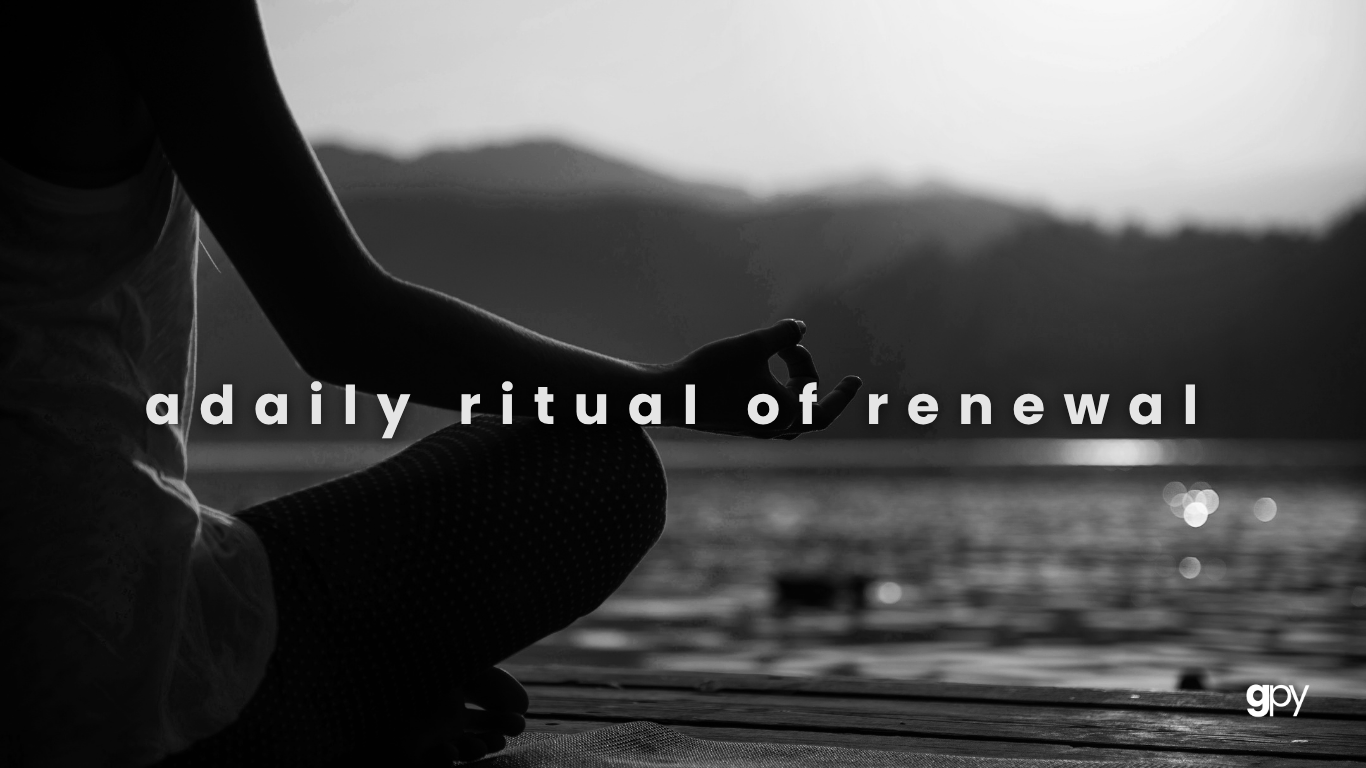
The Five Tibetan Rites are often practiced in the morning because of their energizing quality, but they may be practiced whenever there is enough time and space to move without rushing. The entire sequence can be completed in approximately ten to twenty minutes, depending on the number of repetitions and the length of the pauses between rites.
Consistency has traditionally been considered more important than intensity. The power of the sequence is understood to emerge through repetition… not only the repetition of each movement, but the return to the practice day after day.
The sequence begins to move as a whole: turning, gathering, opening, lifting, and circulating. What first appears to be a set of exercises becomes a ritual rhythm.
Meeting the practice as it is
The Five Tibetan Rites belong to a spiritual and energetic tradition of practice, even though their precise historical lineage remains uncertain. The rites offer a simple but potent sequence through which the body is moved, the breath is engaged, and energy is invited to circulate.
Their traditional purpose is renewal: to awaken what has become dormant, restore movement where energy feels stagnant, and support a more vital relationship between the physical and energetic body.
Practiced gently, consciously, and consistently, they can become a daily ritual for meeting the body not as an object to correct, but as a living energetic system capable of movement, rhythm, and renewal.
practice with me
Whether you’re starting your day or resetting your rhythm, this full-body practice meets you where you are and brings you back to center. Come to this practice daily, or anytime your body calls for movement and recalibration. Move at a pace that allows you to remain connected to your breath. Rest whenever needed, and let the grounding pauses become part of the practice rather than something you move quickly through.
practice note
The Five Tibetan Rites are physically active movements. Begin with a small number of repetitions, move within a comfortable range, and stop if you experience pain, unusual dizziness, or strain.
Start Small: Even 1–3 reps of each Rite can create a shift
Listen to Your Body: If anything feels sharp, dizzying, or depleting.. pause or stop
Breathe Naturally: Don’t hold your breath or rush to “keep up”
Integrate Grounding: Pause between Rites with hands on your body, eyes closed
Practice on a Mat or Carpeted Surface: Especially for knees and wrists